I’ve been thinking for a while about writing a post on how I keep track of the books I own and have read. I’ve developed a system over the last decade or so that more or less works to my satisfaction, helping me keep track of what I read when, giving me reading stats, keeping track of books I want to read.
I will admit that I feel conflicted about tracking my reading so closely, in the same way that I sometimes feel conflicted about my reliance on numbers and counting with my cycling. Sometimes I get the urge to just read or just ride and not think so much about how many books I’ve read in a month or a year or whether I’m going to reach my yearly mileage goal on the bike. I have those feelings and then I dismiss them because I love numbers and counting too much to give them up.
My way of keeping track of what I’ve read and what books I own is with LibraryThing. I cataloged my books back in 2010 and have logged every book I’ve acquired since then. Now, this catalog doesn’t include every book that is in my house because I never logged my husband’s or my son’s books. But the catalog contains all the books that I’ve bought for myself (or was given or sent), and if I read a book my husband bought, I’ll add that. I haven’t added books I read with my son because … that’s too much work.
In my LibraryThing catalog, I have a whole bunch of “collections,” the main one being “Your [My] Library.” Books in this collection are print books that I actually own. Turns out I currently have 2,087 of these! Some books I’ve read that don’t fall into this category go into the “Read but unowned” collection. This includes print books I get from the library and those I read and then give away. It also includes ebooks and audiobooks I don’t own, i.e. ones I get from the library or as review copies that have expired. I have separate collections for ebooks and audiobooks I own. I could probably add these to the “Your Library” section, but I kind of like keeping that to print only.
I have a “To Read” collection so I know which books I own but haven’t yet read (it’s a lot). I also have collections for books I’ve read each year starting in 2010, so, for the last 10 years at least, I know what I read when.
The other main part of my LibraryThing account is the tags I give each book. My tagging system was hard to settle on because too many tags are confusing and make logging each book difficult. Too few and I don’t have the information I want. I’m pretty happy with the system I ended up with, which is good, because I’m not changing it! Basically, I tag genre, publication date, author gender, author nationality, and year I acquired the book. I tag books as “Translation,” “From library,” and “From publisher.” I mark books as “POC” for writers of color.
A tricky part was settling on a system for logging the publication date without having too many tags, and I settled on a mixed format where I start with full centuries getting one tag, i.e. “Published in 1500-1599” (because I don’t have many books from that century) and then half centuries starting in the 18th Century (“Published in 1800-1849”), and then decades starting in the 20th (“Published in 1910s”). It’s also tricky to figure out how to tag author nationalities. I wanted only one nationality tag per author so I could make my year-end numbers add up (maybe not a great reason), but when an author has lived in multiple places, it’s hard to figure out where to place them. I basically just … use my best judgment and pick one.
That’s mostly it for how I use LibraryThing. I like how I can search on my phone for books I own when I’m out shopping (it helps that my reading taste is different from my husband’s so he’s unlikely to own what I’m considering buying). I also like how I can easily see reading stats for each year. In each year’s “collection” I can see the tags for the books I read that year to find out author gender and nationality distribution, how many books in translation I read, how many books from which publication dates, etc. It’s how I put together year-in-review posts like this one. (I do wish the site allowed me to search more than one tag at once: that would allow me to search specifically for women in translation, for example, which I don’t think I can currently do.)
But then there’s Goodreads! I use Goodreads in two ways, the first of which is to track what I’m reading currently. I do this because the social media aspect of Goodreads is fun: I get comments on what I read sometimes, I see what others are reading, I see which people I follow have read the book I’m currently reading and what they think of it. I can tweet what I’m reading or have read from the site, and that can lead to fun conversations on Twitter.
I post reviews sometimes (mainly the mini reviews I write for Book Riot), but only when I feel like it. I’ve rated books on Goodreads in the past, but currently I only rate my absolute favorite books because rating is hard and feels unsatisfying without an explanation, which I don’t always have the energy to give. I looked back on old ratings and felt silly about them, so I stopped.
The other way I use Goodreads is to keep track of books I am interested in reading but don’t yet own. I currently have 945 books on this list! I started it in 2010 as well — I was in an organizing mood that year I suppose. Whenever I acquire a book from this list I take it off my Goodreads list and add it to LibraryThing. That way I know what I’m interested in reading but don’t yet own, which is very useful when shopping in bookstores. Occasionally I look through this list and take books off because they no longer interest me, but mostly I keep the list intact because I like knowing that at one point I was interested in reading something. And I also think that perhaps someday I will circle back to that book and find it interesting again.
It seems a little weird that I have my TBR list split across two sites — owned but unread on LibraryThing and unowned but want to read on Goodreads. But I did this (sort of intentionally?) because I want the books I own, unread or not, on LibraryThing because that site is better for cataloging books. And I want books I’m interested in but don’t own on Goodreads because their app is better so it’s easier to use while shopping. Their app makes it easy to find information about particular books as well — publication date and publisher as well as which Goodreads friends have read them and (maybe) what they thought.
So that’s how I (try to) keep some order in my reading life. It takes time to log my reading, but with a system in place, it’s not that much time, and it’s a task I enjoy. One of the things I do when I can’t sleep is look through my Goodreads TBR list and try to remember what the books are about and where I heard of them (I wish the Goodreads app made it easy to enter this information). LibraryThing isn’t really a social site, but if any of you are on Goodreads and we aren’t friends, feel free to add me!
Anybody else want to describe their system??



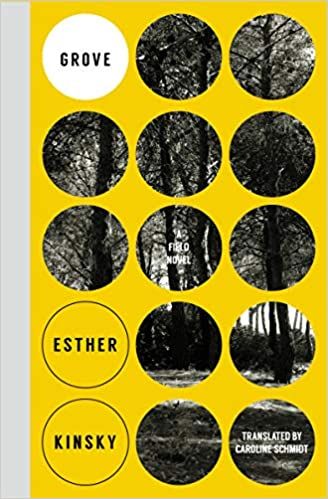
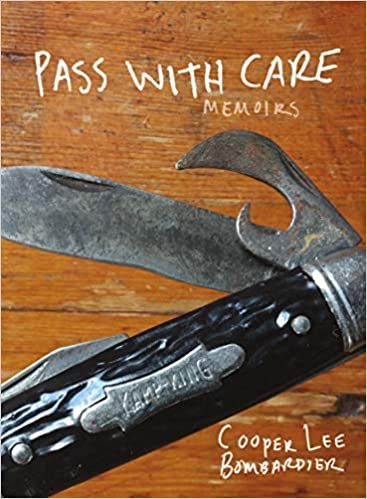
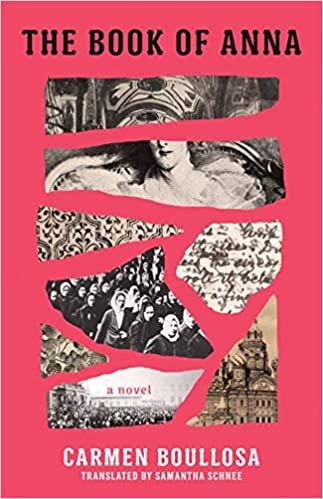
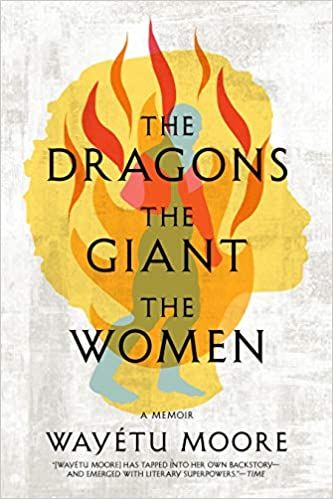
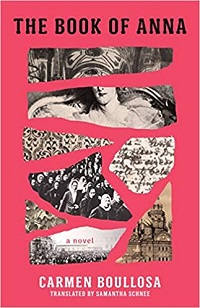
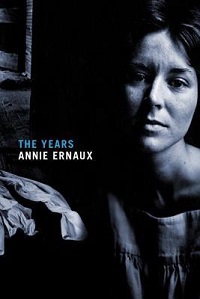
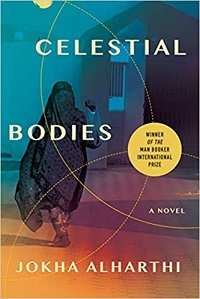 Lastly, I read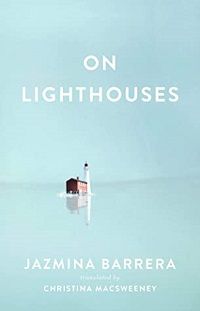

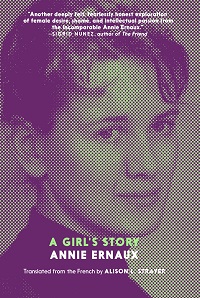
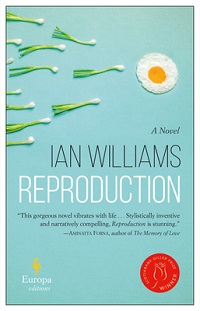
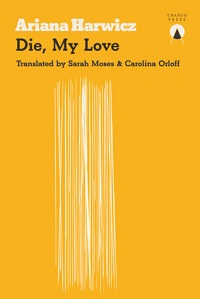
 Women in Translation month is August. Do you know what you’re reading for it yet? Women in Translation month was founded by Meytal Radzinski (who
 After falling in love with
  I’m not sure that genre matters much here, at least not in the way we usually think about fiction vs. nonfiction. Drifts feels more novelistic in its attention to daily life and its narrator who is more present and perhaps more coherent as a character than the speaker in Book of Mutter. Book of Mutter is more poetic in its suggestiveness and in the way the text is arranged on the page where what is on the page is a matter of the writer’s choice rather than font and margins. But these things aside, the “truth” of each book doesn’t feel important. Is the nonfiction book more true to life than the novel? As a reader, I don’t care. Both are an attempt to capture consciousness on the page and whose consciousness it is and whether it reflects a person who exists in the world doesn’t matter, at least not to me. What matters is that the mind on the page is one I want to spend time with.




 Of Books and Bicycles